
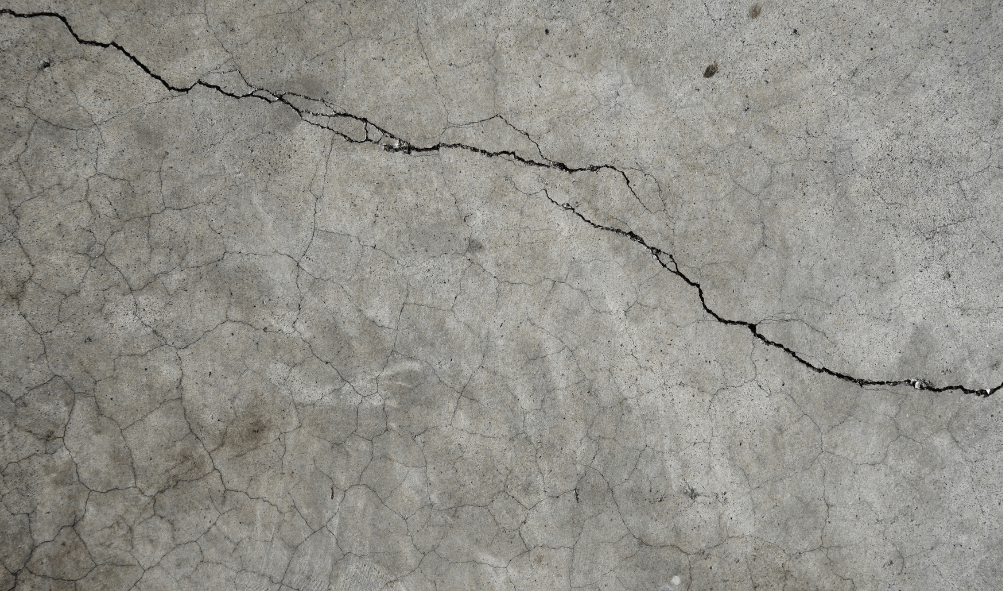
Concrete Cracks—But What If It Didn’t Have To?
If you’ve ever walked on a cracked sidewalk or driven over a pothole-ridden street, you’ve experienced the Achilles’ heel of concrete: it breaks over time. As durable as self-healing concrete is, it’s prone to cracks from weather, heavy loads, and natural wear. And once cracks form, water seeps in, corrosion begins, and eventually—bam—major damage.
A few years back, I was working on a mid-sized commercial project, and despite using high-quality concrete, micro-cracking showed up less than a year in. The patchwork repairs that followed were not only frustrating, but expensive. That was my “ah-ha” moment with self-healing concrete.
Today, thanks to technologies like the ones offered by 2025 Con Cure USA, those cracks don’t need a team of workers with jackhammers to fix. In fact, they can fix themselves.
Let’s break down exactly how that works.
So, What Is Self-Healing Concrete?
Self-healing concrete is exactly what it sounds like: concrete that can automatically repair its own cracks—no crews, no calls, no chaos.
It’s designed with built-in technologies that activate when damage begins. Some versions use leftover materials inside the concrete mix to “heal” cracks, while others are way more futuristic, involving bacteria or capsules that release healing agents.
Think of it like your skin forming a scab. When there’s a cut, your body sends the materials it needs to seal it up. Self-healing concrete does the same—just with minerals instead of platelets.
How Does Self-Healing Concrete Actually Work?
There are a few major methods used in self-healing concrete. Each has a different approach, but the goal is the same: seal the crack, stop water intrusion, and prevent further damage.
1. Autogenous Healing (The Old-School Way)
This one’s the most basic. Concrete naturally has a bit of leftover cement that hasn’t reacted during the initial setting process. When tiny cracks form and water enters, the cement hydrates and fills in the gap.
It’s kind of like when you pour water on dry mix—it keeps reacting.
But it’s only good for small cracks (about 0.2mm). Anything bigger, and you’ll need some high-tech help.
2. Microcapsule Healing (Like Tiny Glue Pods)
Now it gets sci-fi. Microcapsules—tiny spheres filled with healing agents like epoxy or sodium silicate—are added to the mix. When a crack forms, the capsules rupture, releasing their contents and sealing the break.
Think of it as tiny glue bombs going off exactly when and where they’re needed. It’s super efficient and ideal for bigger, deeper cracks.
3. Bacteria-Based Healing (Yes, Really)
This is my personal favorite, if only because the idea of using bacteria to fix roads feels like something out of a Marvel movie.
Certain types of bacteria (like Bacillus) are embedded in the concrete along with nutrients. When cracks form and water seeps in, the bacteria wake up and produce limestone, effectively sealing the gap.
It’s nature doing engineering.
Why Should You Care?
You might be wondering: Why not just fix the cracks when they happen?
Here’s the thing: by the time cracks are visible, damage has usually already begun internally. Water, salt, and even plant roots can accelerate degradation. And maintenance isn’t just expensive—it’s disruptive.
Here are a few benefits of using self-healing concrete:
- Lower maintenance costs over the building’s lifetime
- Extended lifespan of concrete structures
- More sustainable (fewer repairs = less resource usage)
- Improved safety due to less risk of sudden failure
- Ideal for hard-to-reach places like tunnels or underwater structures
Real-World Uses: Where Is Self-Healing Concrete Being Used?
Right now, self-healing concrete is popping up in major infrastructure projects all over the world.
- Tunnels and subways where access for repairs is tricky
- Marine structures that take a beating from salt and moisture
- Green buildings where sustainability is a top priority
At 2025 Con Cure USA, we’ve seen huge interest from developers building commercial plazas and even residential towers. One recent client—an industrial park manager—reported zero structural cracks two years after installation using our self-healing concrete blend. Previously, they’d had to schedule annual maintenance. That’s a big deal.
Are There Any Downsides?
Let’s be honest: self-healing concrete isn’t a silver bullet. It’s not the cheapest option upfront, and the technology is still maturing.
A few challenges:
- Higher initial costs (though often offset by long-term savings)
- Specialized installation sometimes required
- Best for certain crack sizes—not major breaks or structural failures
- Limited awareness among smaller contractors or municipalities
But just like solar panels or EVs, as the technology spreads, costs come down and adoption rises. In fact, 2025 Con Cure USA is working on newer versions that combine multiple healing systems in one—talk about future-proofing.
The Future of Self-Healing Concrete
The next decade is going to be huge for this tech. Researchers are developing smart concrete that can communicate with sensors, track its own health, and self-heal in real time.
Can you imagine buildings that monitor their own cracks and tell you when they’re healed?
Yeah, that’s where we’re headed. And it’s why 2025 Con Cure USA is investing so heavily in this space.
Why Choose 2025 Con Cure USA?
We’re not just talking about this stuff—we’re pouring it, testing it, and standing behind it.
At 2025 Con Cure USA, we offer:
- Proprietary self-healing concrete formulas customized to your project
- Expert support from certified concrete specialists
- On-site installation and quality control
- Eco-friendly options for LEED and green certifications
- Case studies and track records to back up our results
Whether you’re building a parking garage, a wind turbine base, or a high-rise tower, we have a self-healing solution tailored for you.
Final Thoughts:
Cracks are inevitable. But repairs? They don’t have to be. Self-healing concrete is no longer a lab experiment—it’s here, it’s working, and it’s changing how we think about durability, sustainability, and smart construction.